The nomination in brief
Stockfish is more than food. It is craftsmanship, knowledge, ritual and storytelling carried from one generation to the next – in the north where the fish is hung to dry, and in the south where it becomes a feast.
Stockfish is cod dried in the open air by wind, sun and cold – without salt, smoke or heat. It is the oldest known method of preserving fish, and it has been practised along the northern coasts for thousands of years. The craft covers the whole chain: the fishing itself, gutting, hanging the fish on wooden racks, grading and sorting, storage in traditional lofts, soaking and lye treatment, and finally the cooking. Every step carries knowledge that has been handed down by hand and by word.
Around this dried fish grew one of the oldest continuous trade routes in Europe. From the late Middle Ages, stockfish from the Norwegian and Icelandic coasts travelled along the river and sea networks of Europe and the Mediterranean, and it was gradually absorbed into local food cultures far from the drying racks. The result is an extensive system of knowledge, practices and rituals that still shapes communities in several countries – a shared heritage created by trade, migration and hospitality rather than by borders.
The traditions are alive today in coastal Norway and in Sápmi, where sea Sámi fishers still dry cod on racks in the fjords; in Iceland, where harðfiskur and skreið are eaten both on ordinary days and at celebrations; in the Italian stockfish regions of Trentino, Veneto, Liguria, Marche, Abruzzo, Campania, Basilicata, Calabria and Sicily, with their confraternities, festivals and family recipes; and in Nigeria, where stockfish – okporoko – is a cornerstone of Igbo and Yoruba cooking and of the social gatherings that surround a meal.
Safeguarding the stockfish traditions also contributes to sustainable development by maintaining knowledge, skills and food practices that have supported communities for generations. Their transmission strengthens local livelihoods, cultural continuity and the resilience of coastal communities, while the international traditions surrounding stockfish encourage cultural exchange and cooperation across borders.
In this way, stockfish demonstrates how living cultural heritage can connect social, cultural, economic and environmental sustainability, while remaining relevant to future generations.
The nomination file Stockfish – the cultural and culinary traditions of stockfish and related social practices was submitted to the Norwegian Directorate for Cultural Heritage and the Arts (Kulturdirektoratet) on 1 June 2026. It was developed in close cooperation between organisations in Bergen, Lofoten and Finnmark together with NGOs in Iceland, Nigeria and Italy. The goal is that the four States Parties, with Norway as lead partner, submit the joint multinational file to UNESCO in Paris by the deadline of 31 March 2027.
The shared international vision is that recognition as intangible cultural heritage will strengthen the social and cultural functions connected to the skills and traditions of preparing stockfish, and contribute to the revitalisation of Indigenous livelihoods and culture, positive community development, intercultural dialogue, a sense of belonging in local communities, and the continuity of the tradition itself.
At a glance
Element: Stockfish – the cultural and culinary traditions of stockfish and related social practices.
States Parties: Norway (lead), Iceland, Italy, Nigeria.
Submitted nationally: 1 June 2026.
Target for UNESCO: 31 March 2027.
List: UNESCO's Representative List of the Intangible Cultural Heritage of Humanity.
Signed by: Slow Food Mearra-Sápmi, on behalf of the international NGO partnership, from Museum Nord / the SKREI Centre.
Nature, resources and health
Stockfish is made from North-East Arctic cod that migrates from the Barents Sea to spawn along the Norwegian coast, as well as from coastal cod living in the fjords. Only around 4–5 per cent of the cod catch becomes stockfish. Natural outdoor drying preserves the fish without salt, smoke or heat and produces nutritious food with a long shelf life. The tradition depends on healthy marine ecosystems and sustainably managed fish stocks, linking cultural heritage to the responsible use of aquatic resources, Agenda 2030 and the One Health approach.
Timeline
From a first international gathering in Calabria to a completed multinational nomination file in five years.
-
July 2023
Cittanova, Italy
The first joint international stockfish heritage meeting is held in Cittanova in Calabria. The conclusions and the input from the participants become the basis for an early draft of a UNESCO intangible cultural heritage nomination, and an international working group is established.
-
2023–2025
National inventories
UNESCO requires that a tradition is inscribed in the national inventory of each State Party before it can be nominated. Slow Food Bergen inscribes the Norwegian stockfish traditions in Kulturbanken in both Norwegian and English; the entry is later revised, given particular attention to the sea Sámi traditions, and translated into Sámi. Italy has its traditions inscribed in the Inventario nazionale del patrimonio agroalimentare italiano (INPAI) on 28 March 2025, Iceland completes its inscription through Slow Food Reykjavík, and Nigeria prepares its own entry with its Ministry of Culture.
-
June 2025
The Mehamn conference
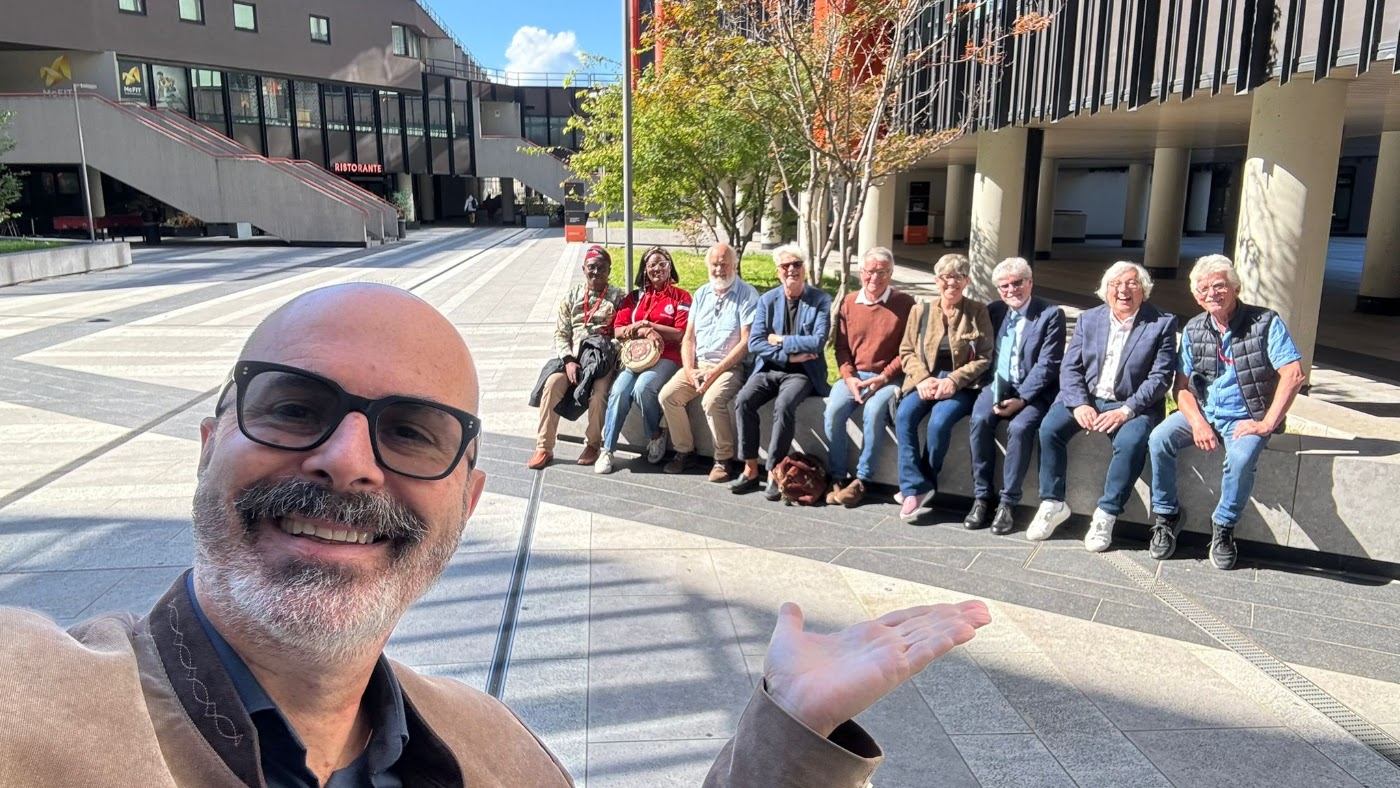
An international UNESCO evaluation conference is held on the Nordkyn peninsula in Finnmark, 12–16 June 2025, organised by the sea Sámi fisheries organisation Bivdu together with Slow Food Mearra-Sápmi, Slow Food Bergen, Visit Nordkyn and local partners. The long historical lines of the traditions were described from both the north (Norway and Iceland) and the south (Italy in particular), alongside today's situation with reduced fish stocks and rising prices. The conference agreed to use the revised nomination file as the basis for the further multinational process.
-
March 2026
Merger of the nomination files
The Lofoten nomination draft, Stockfish production in Norway: Knowledge, craftsmanship and living cultural Heritage, by LoVe and Skreisenter/Museum Nord, was merged with the Slow Food Mearra-Sápmi/Slow Food Bergen draft – Stockfish – The cultural and culinary traditions of dried codfish and related social practices – into one mutually shared multinational UNESCO ICH nomination file.
-
1 June 2026
Submitted
The joint nomination file is submitted to Kulturdirektoratet in Norway, signed by Slow Food Mearra-Sápmi from Museum Nord / the SKREI Centre on behalf of the international NGO partnership, and accompanied by consent letters, photographs, film material and inventory documentation from all four countries.
-
March 2027
Target: UNESCO
If the Norwegian cultural authorities support the nomination and the evaluation raises no clear objections, the multinational process between the States Parties can be shortened considerably – possibly in time for submission to UNESCO by 31 March 2027.
The five domains
The 2003 UNESCO Convention describes five domains in which intangible cultural heritage is manifested. The stockfish traditions are unusual in that they are clearly present in all five.
Oral traditions and expressions
Stories, sayings, place names and dialect words follow the fish from the racks to the table. The tale of the shipwrecked Venetian merchant Pietro Querini, washed ashore on Røst in 1432, is told in both Norway and Italy; the legend of the cod king is told along the northern coast; and sea Sámi, Kven, Icelandic, Italian and Nigerian families all keep their own stockfish memories alive in speech. Much of this knowledge exists nowhere but in the voices of those who carry it – which is why oral history recordings form part of the nomination work.
Performing arts
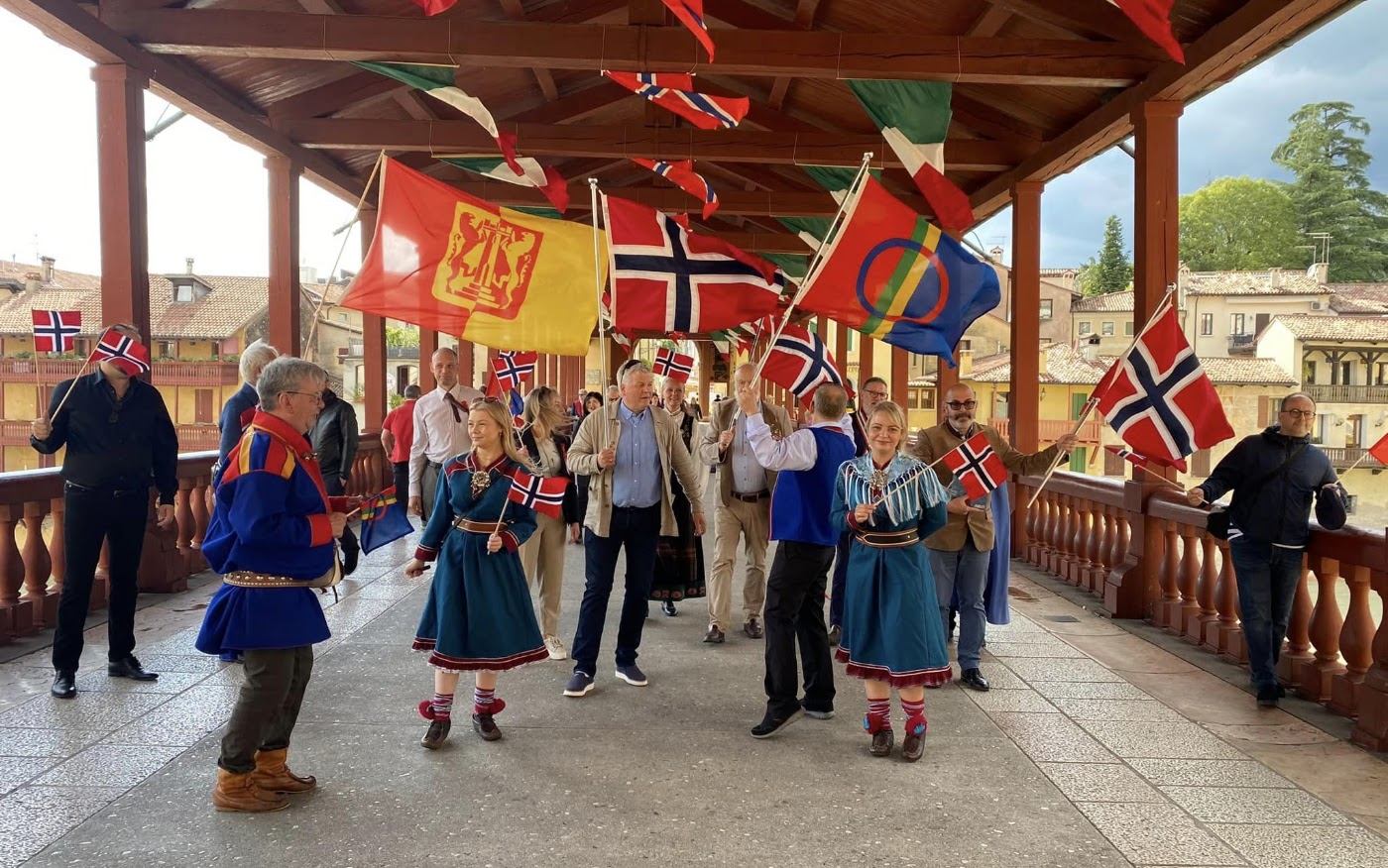
Processions, music, theatre, film and visual art carry the tradition into public space. Confraternities parade in ceremonial capes, delegations cross the bridge in Bassano del Grappa in gákti and bunad, sculptors carve cod kings in wood, painters and ceramic artists retell Querini's voyage, and documentary film brings the fjord fisheries of Sápmi to audiences in Italy and beyond.
Social practices, rituals and festive events
Stockfish belongs to the calendar. It appears at Christmas and at Lent, at village festivals and saints' days, at the lutefisk feasts of Norway and at the stockfish festivals of the Veneto, and at the family gatherings where Nigerian okporoko dishes are shared. Confraternities, guilds, associations and lodges organise the meals, and the meal itself builds community, generational learning and belonging.
Knowledge and practices concerning nature and the universe
Drying fish outdoors depends on reading the weather. The fisher must know the wind, the temperature, the humidity and the season; hang the fish at the right moment; and judge when it is done. This is knowledge of the North-East Arctic cod and the coastal cod, of the fjord and the migration routes, of sustainable harvesting – and, in the sea Sámi communities, of a way of living with the resources of the coast that reaches back thousands of years.
Traditional craftsmanship
The craft runs from boat and gear to loft and kitchen: gutting and tying the fish in pairs, building and maintaining the wooden drying racks, grading and sorting the dried fish, storing it in traditional lofts, soaking and lye-treating it, and preparing it in dozens of regional ways. The skills of the fisher, the grader, the producer and the cook are learned by hand, in company, over years.
Why safeguarding is needed
Modern lifestyles and the possible negative effects of globalisation put the food and distribution system around stockfish at risk. Traditional outdoor drying may disappear. Knowledge and food craftsmanship may disappear. Transmission between generations, including knowledge carried in the hands, is the key to maintaining these culinary and cultural practices and the social values that come with them.
Watch the film
The Sami Fishermen and the Old Stockfish Traditions is a documentary produced by Govas Film AS, directed by Harry Johansen, and made as part of the documentation for the UNESCO nomination. It follows sea Sámi fishers in the Tana fjord in Finnmark through the whole chain: from the moment the fishing begins, to the fish being hung on the racks and dried in the open air at Smalfjord, exported south, and finally prepared as a meal in a private Italian home.
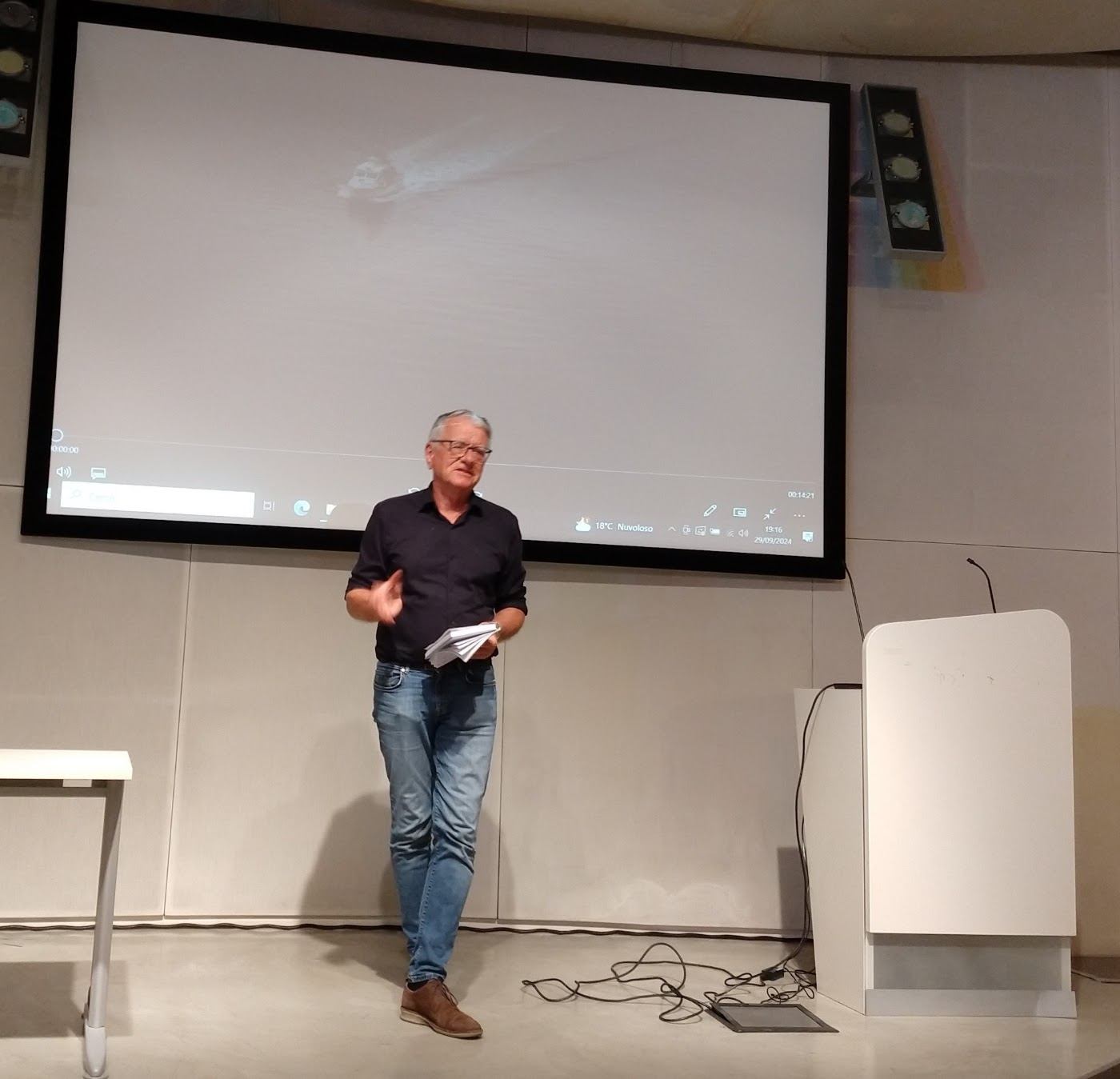
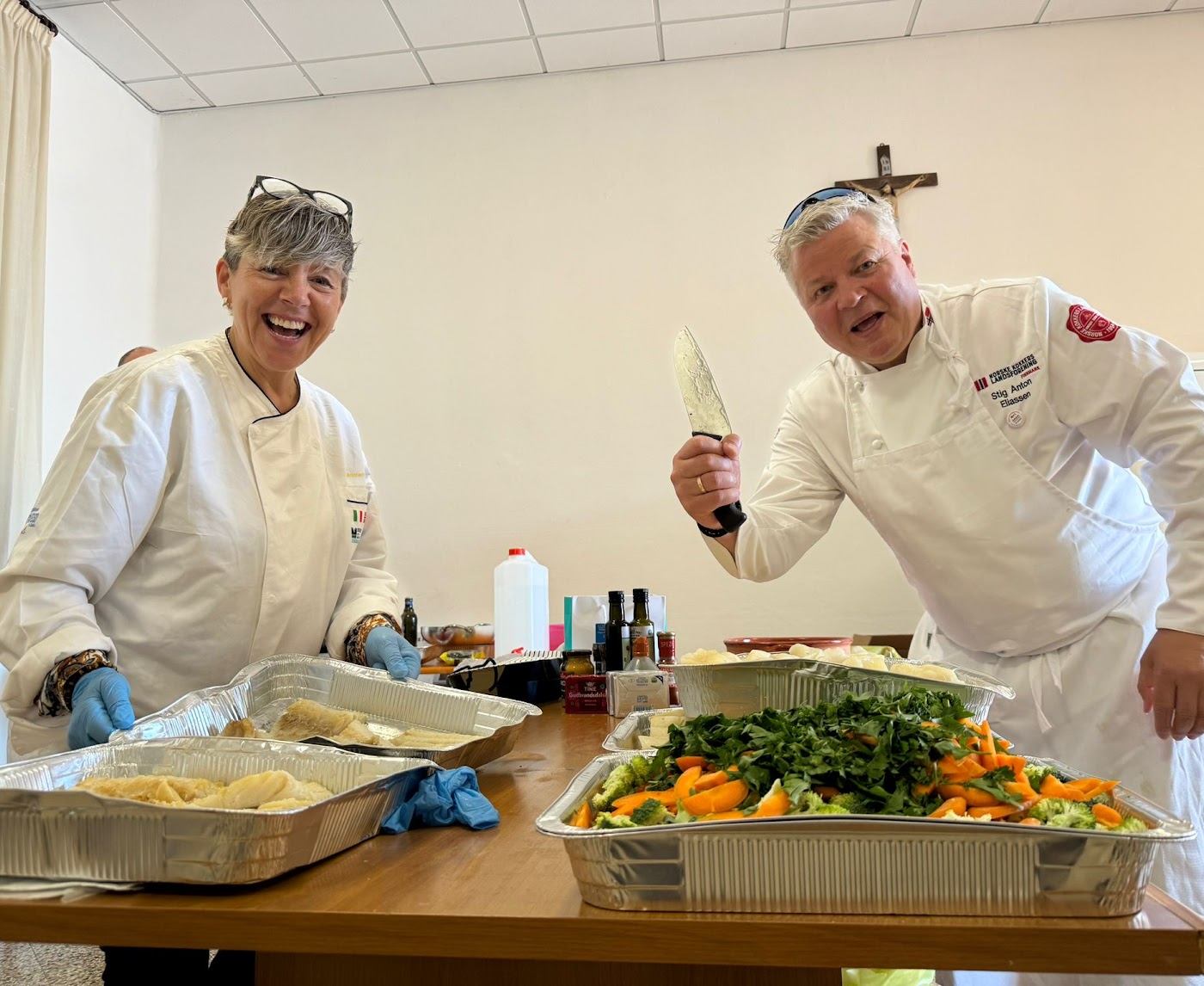
The main characters speak Sámi to each other, and the film is subtitled in Norwegian, Italian and English. It premiered in Torino on Sunday 29 September 2024 at 19.00 during Slow Food's Terra Madre Salone del Gusto, screened for the press and a food-interested audience. Einar Eythorsson, cultural history adviser to Bivdu, introduced the film, and Bjarte Finne, chair and master chef of Slow Food Bergen, served tastings of mantecato alongside the screening. The film was very well received by the Italian audience.
The event at Terra Madre Salone del Gusto 2024 · The film on Vimeo
Govas Film AS. Spoken in Sámi with English subtitles.
Partner organisations
The nomination is carried by a partnership of non-governmental organisations in four countries, working with national cultural authorities, museums, research institutions, schools, food professionals and local communities.
Slow Food Mearra-Sápmi
The sea Sámi Slow Food convivium in Finnmark, and the organisation that signs the submission of the nomination file on behalf of the international partnership. Chair: Einar Eythorsson.
Slow Food Bergen
Initiator of the nomination and coordinator of the multinational application work in the period 2023–2025, and the organisation that inscribed the Norwegian stockfish traditions in the national inventory Kulturbanken.
Bivdu
A non-profit, politically independent nationwide industry organisation working to safeguard the interests of everyone living in sea Sámi areas regarding their right to harvest and use the marine resources in their own local waters. Host organisation for the Mehamn conference in June 2025.
Museum Nord / the SKREI Centre
The museum and knowledge centre for the Lofoten cod fisheries, responsible together with the intermunicipal LoVe Utvikling for the proposal on stockfish production in Norway – knowledge, craftsmanship and living heritage – which has been integrated into the multinational file. Contact: Jonas Walsøe.
International Stockfish Society
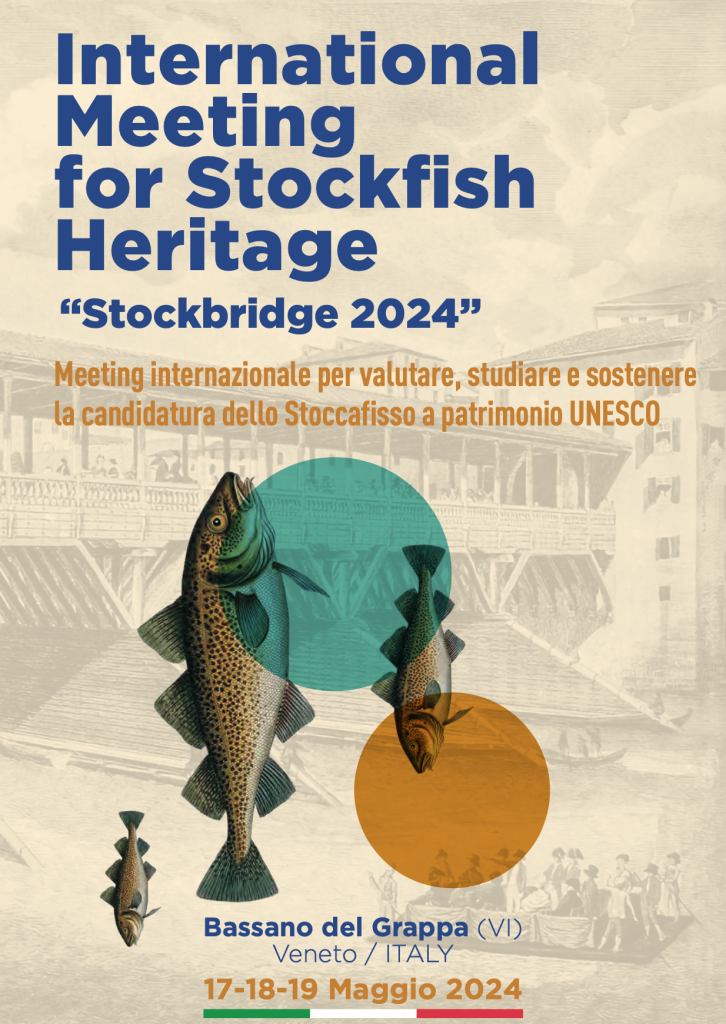
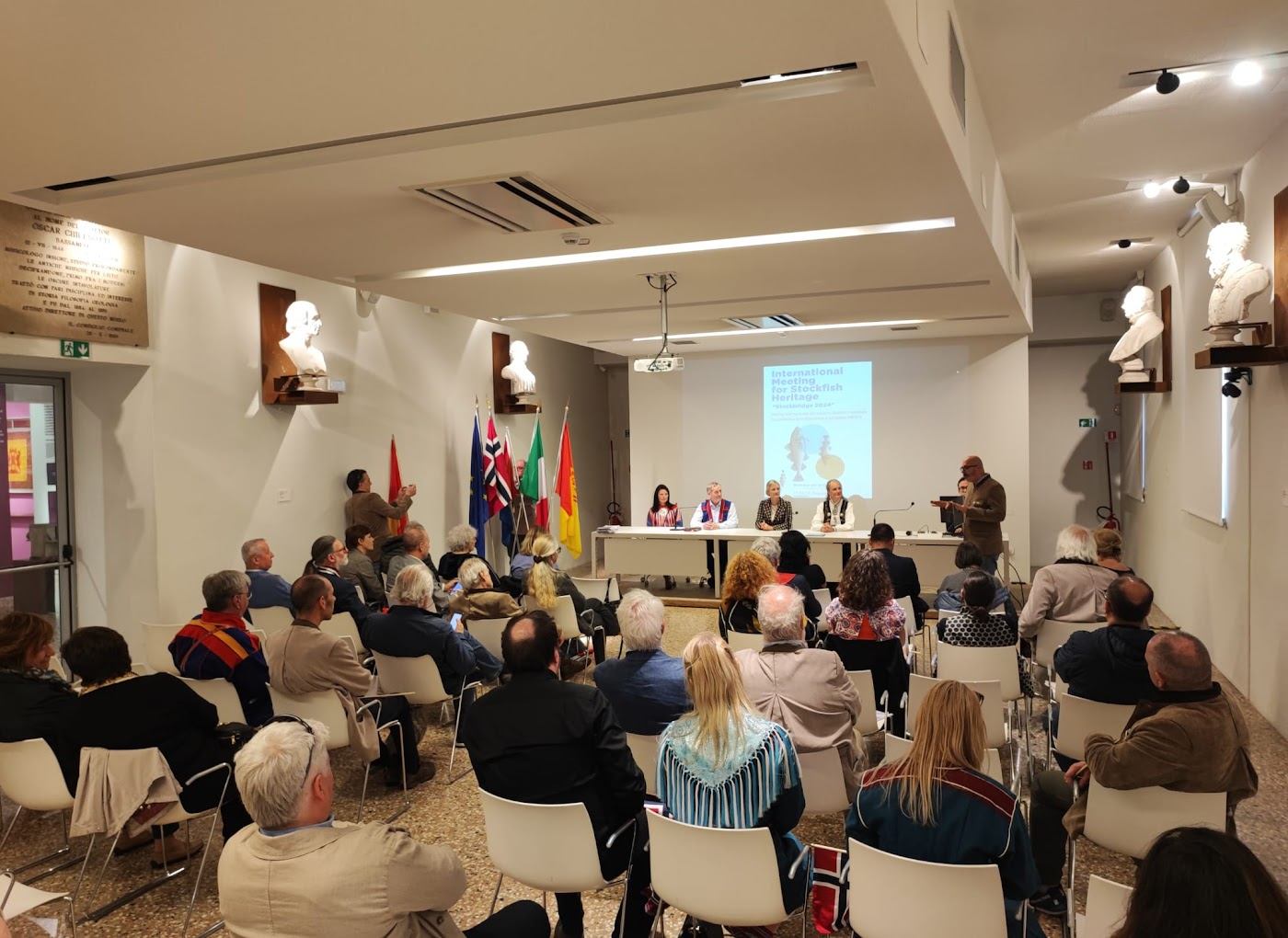
The Italian-based network that has gathered a large number of consent letters for the nomination from community-based NGOs in all the main stockfish regions of Italy, and the organiser of the Stockbridge meetings in Bassano del Grappa. Chair: Andrea Vergari.
Slow Food Reykjavík
Responsible NGO for the nomination process in Iceland. Slow Food Reykjavík completed the Icelandic inventory inscription in record time, working with the National Museum, and gathered 32 consent letters for the nomination. Leader: Dóra Svavarsdóttir.
Slow Food Nigeria
Together with other Nigerian NGOs, Slow Food Nigeria has carried out the groundwork for contact with local community actors in Nigeria and submitted consent letters, video interviews and written statements from Indigenous Peoples and local communities. Project leader: Babatunde Oreyemi, in cooperation with Emmanuel Odekanyin of the Nigerian Ministry of Culture.
Memoar
The Norwegian non-profit organisation for oral history, whose purpose is to promote a culture for preserving and sharing oral stories about lived life. Memoar records the oral history of the cultural and culinary use of stockfish, including interviews with a trained fish grader from Bergen and with Nigerian students from the Yoruba and Igbo communities.
Academic and institutional support
Prof. Emeritus Carl W. Matthias Kaiser (international coordinator), Prof. Antonio José Marques da Silva, University of Madeira (UNESCO specialist and adviser to the network), Prof. Inger Måren, UNESCO Chair at the University of Bergen, Camilla Brattland, UiT, Eivind Falk, Norwegian Crafts Institute, and Slow Food International.
NorwaySápmiIcelandItalyNigeria
Key documents
All documents open in Google Drive. The English-language material is listed first; several of the presentations and statements are in Norwegian or Italian, as noted.
The nomination file and its annexes
Statements from the partner countries
Video interviews from Nigeria
Fieldwork interviews recorded in Ogun State in January 2024, part of the documentation for the Nigerian contribution to the nomination. Only interviews with recorded consent are published here.
Presentations from the Mehamn conference, 12–16 June 2025
Video greetings to the Mehamn conference
Background and research
Read more in English
The King Cod – myths and reality
The cod king is a rare cod carrying a bony growth that looks like a crown. It appears in Lilienskiold's coloured drawing from seventeenth-century Finnmark, in dried form hung in woollen cord at the Hanseatic Museum in Bergen, and today in monumental wooden sculptures on Bryggen in Bergen and in the Italian towns of Bassano del Grappa and Sandrigo. Our English-language page tells the story of the myth, the fish and the art.
External resources
- The Norwegian inventory entry: the cultural and culinary traditions of stockfish (Kulturbanken)
- The same inventory entry in Northern Sámi: Goikeguoli kultuvrralaš ja kulináralaš árbevierut
- The Icelandic inscription: harðfiskur and stockfish – cultural and culinary traditions
- The Italian national agri-food heritage inventory (INPAI), entry no. 7
- International Stockfish Society and Stockbridge 2026 in Bassano del Grappa, 9–17 May
- Stockbridge 2024 – Querini's Story
- Terra Madre Salone del Gusto 2024
- Kulturdirektoratet: nominations to the UNESCO lists and how to nominate living heritage
- The Norwegian National Commission for UNESCO: grants awarded in 2024
- EGnews (Italy): from Lofoten to Sicily – stockfish as heritage of humanity
- Fiskifréttir (Iceland): Harðfiskurinn nálgast heimsminjaskrána
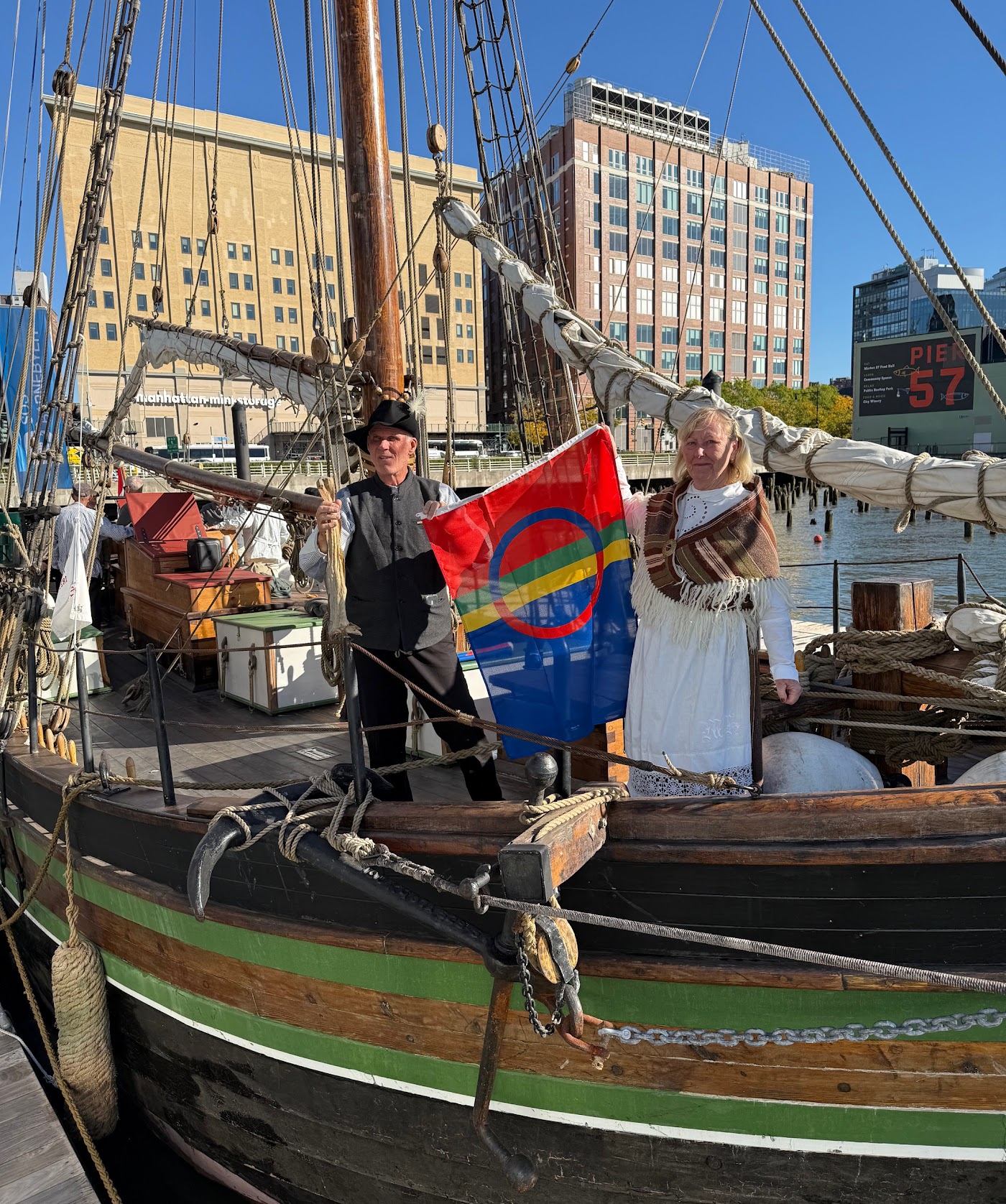
- Bivdu: stockfish from Finnmark aboard the Restauration to New York
- The City of Bergen: unanimous support for UNESCO status
- Follow the nomination on Facebook
Contact
Stokkfisk.no is the information site for everyone who wishes to follow the work on the nomination of the stockfish traditions as UNESCO intangible cultural heritage. It is a collaboration between organisations in Norway, Iceland, Italy and Nigeria, developed together with Memoar.
General enquiries: terje.inderhaug@gmail.com
Press enquiries: terje.inderhaug@gmail.com – please write "Press" in the subject line. We can arrange interviews with the international coordinators and with tradition bearers in Norway, Sápmi, Iceland, Italy and Nigeria, and provide photographs and film material on request.
Editor responsible: Terje Inderhaug. Webmaster: bjorn@stokkfisk.no
The Norwegian pages of this site carry the full news archive, the list of all Norwegian consent and support letters, oral history recordings, recipes and art related to the stockfish traditions.